NIKITA KIAROV — SOLO PRODUCT DEVELOPER
I build digital products for business.
For small businesses and technical teams: websites, Telegram bots, CRM systems, process automation, AI knowledge bases, and MVPs — from idea and prototype to launch and code handover.
I work in stages. Source code and documentation are handed over to the client.

01 / SERVICES
How I can help
I start with the workflow and outcome, then choose the right product format without unnecessary features.
Websites and landing pages
An end-to-end website, from structure and responsive UI to lead capture, analytics, and launch.
02Telegram bots
A bot that receives and qualifies inquiries, supports booking or service selection, and alerts the team.
03CRM systems and client portals
A focused workspace for users and the team: requests, roles, statuses, files, and history in one place.
04Workflow automation
I connect websites, Telegram, email, spreadsheets, and CRM systems so data moves without repeated manual entry.
05AI knowledge bases
An assistant that answers from a controlled document set, shows its sources, and does not disguise missing evidence as certainty.
06Digital product MVPs
A compact, working version of a platform for testing a business hypothesis through its core user journey.
02 / PROJECTS
What's already built
Demo projects — illustrative builds, not client work. Each one is honestly labeled as a demo project.
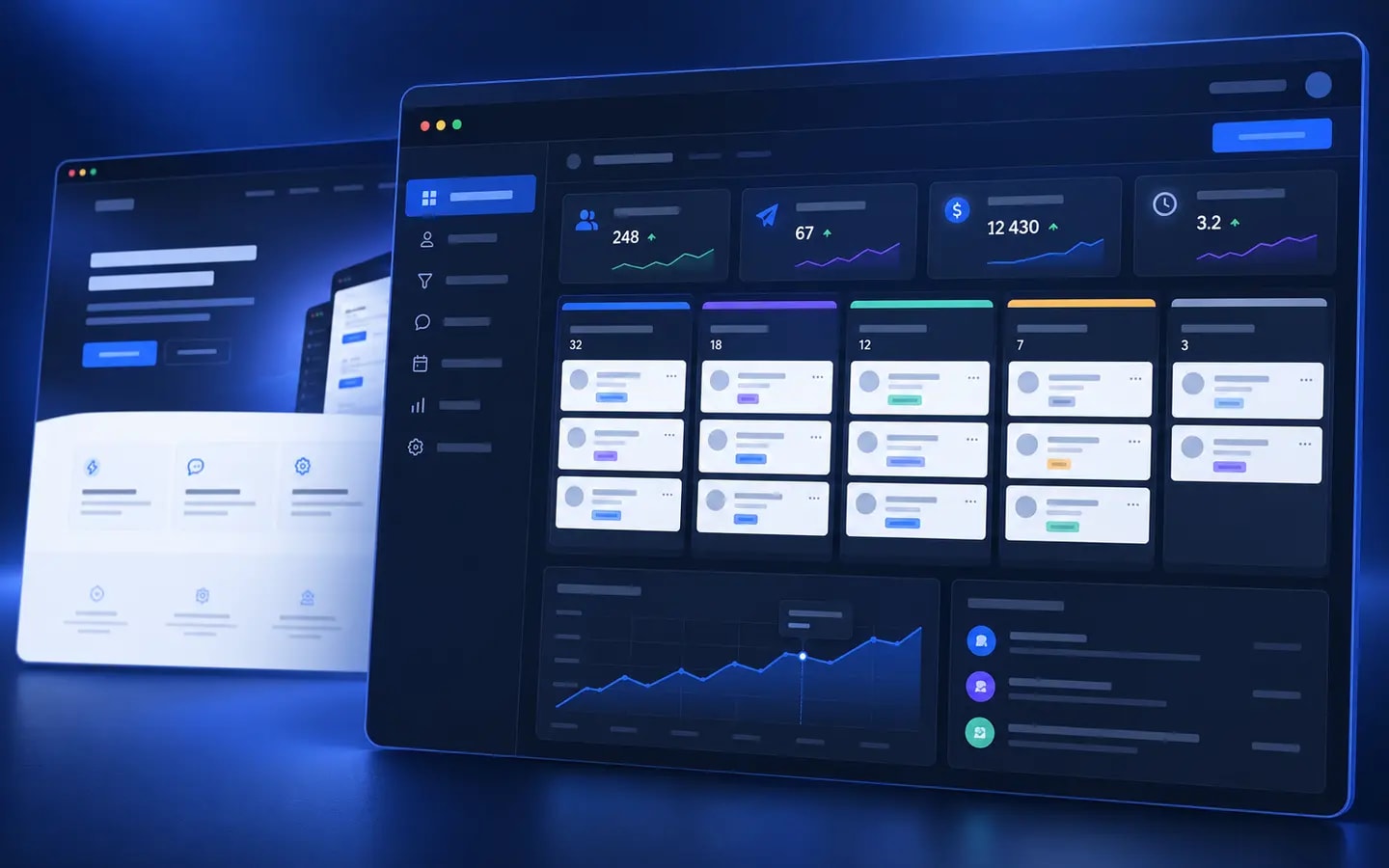
LeadFlow
A website for a service business with cost estimation and automated lead handling.
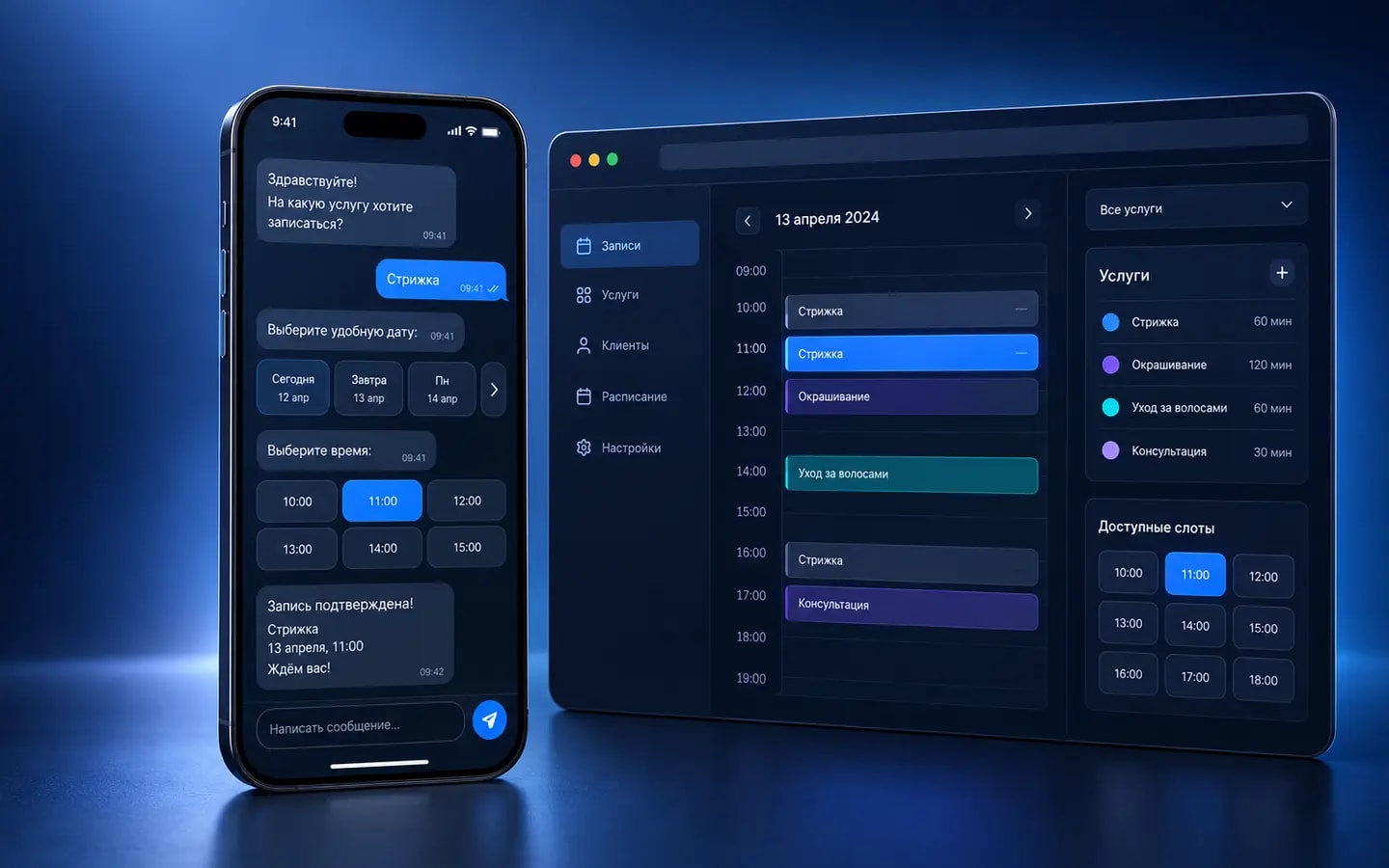
BookingBot
A Telegram booking service with service, slot, and notification management.
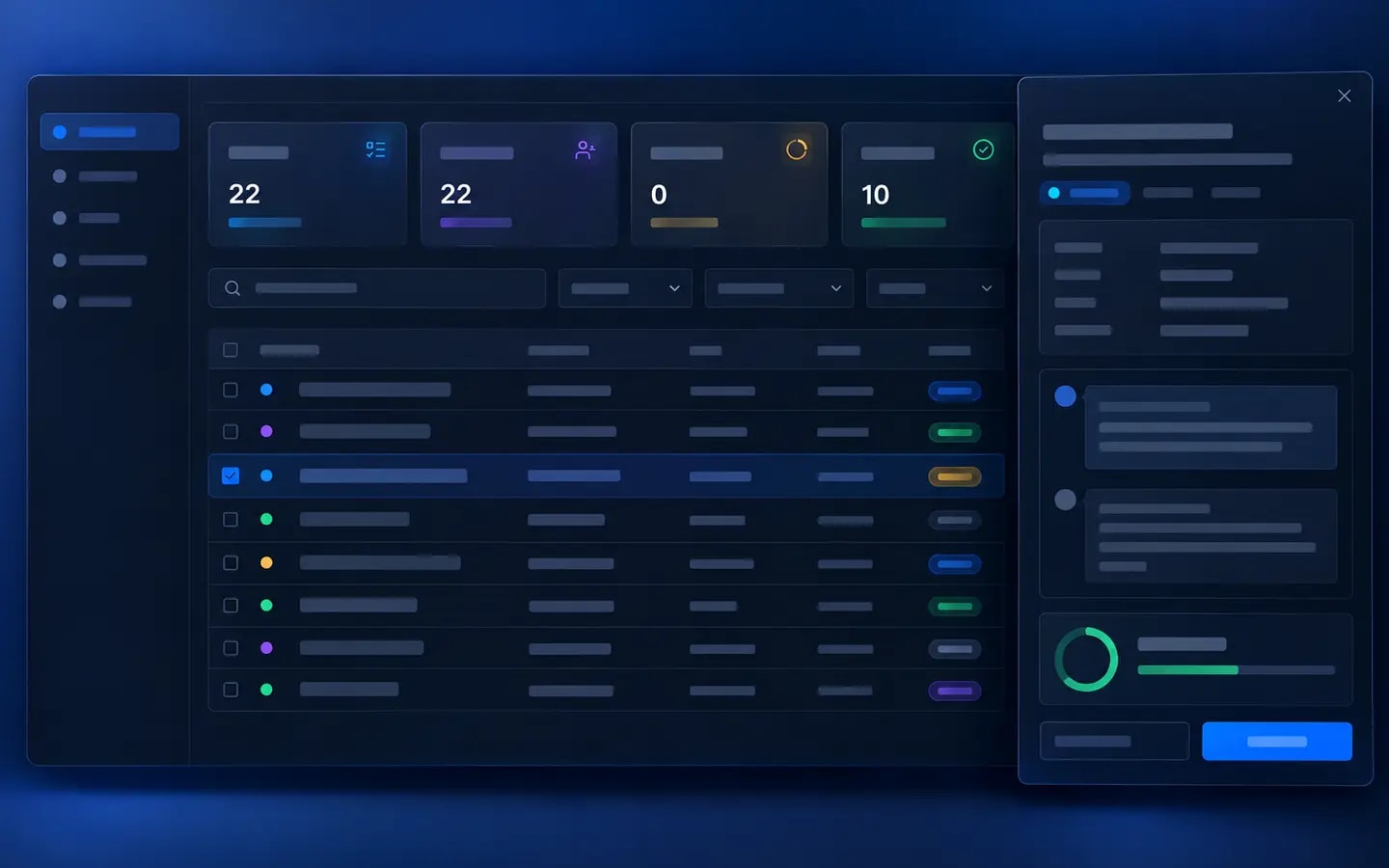
ServiceDesk Lite
An internal ticketing system with roles, a status workflow, and a change history.
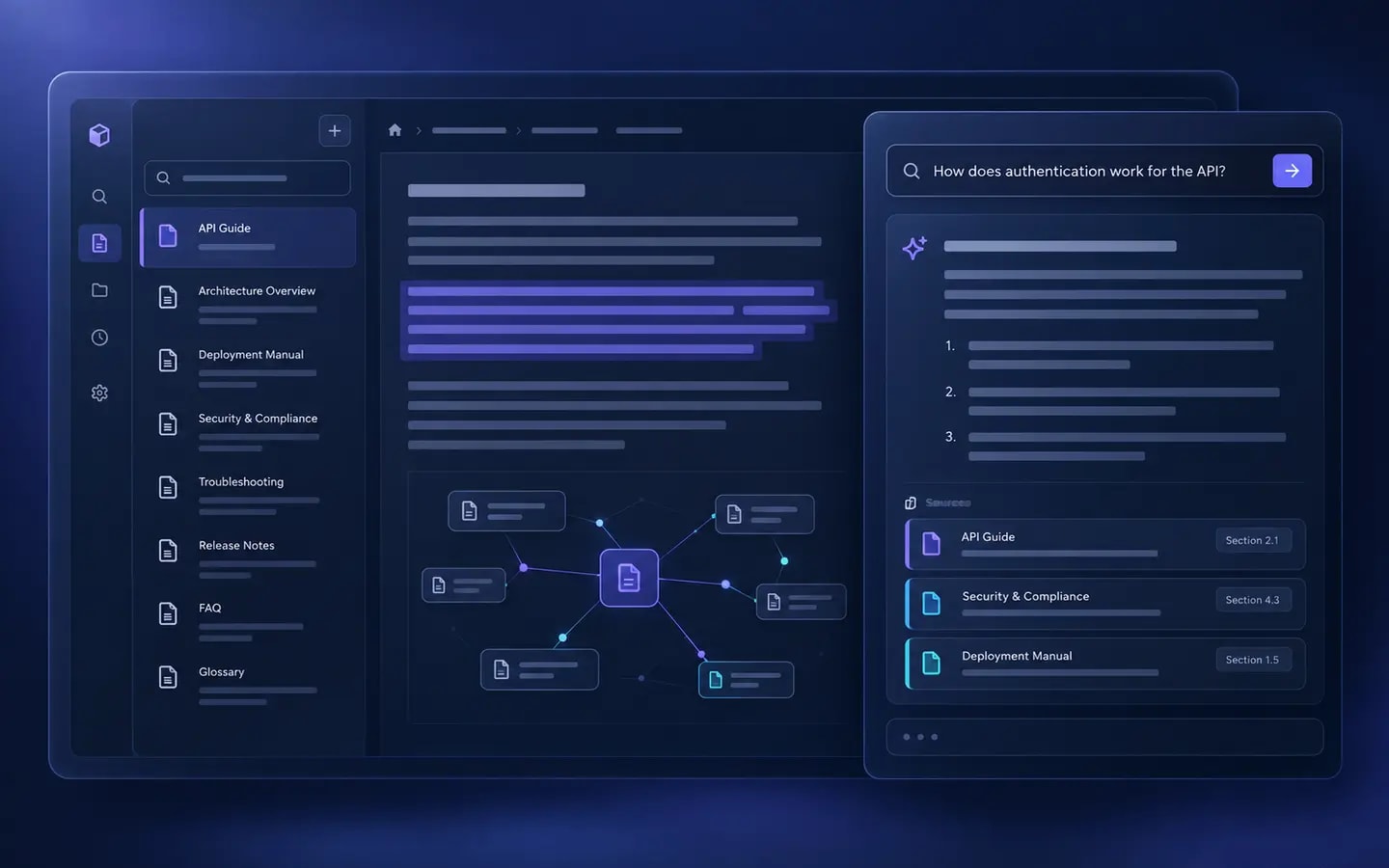
DocuMind
An AI assistant for technical documentation: semantic search, source-grounded answers, free local inference.
03 / HOW I WORK
Six steps from task to launch
The project moves in small, verifiable stages, so the current result and next step stay clear.
- 01
Understand the task
What's happening now, and what needs to be automated.
- 02
Define the scope
Scenarios, constraints, and criteria for done.
- 03
Prototype
I show the structure before deep development starts.
- 04
Build
Work happens in small, verifiable stages.
- 05
Verify
Testing the core user scenarios.
- 06
Launch
Deployment, source code, and documentation.

04 / ABOUT
An engineering approach to small digital products
I build compact digital products for small businesses and technical companies: websites, Telegram bots, CRM systems and client portals, workflow automation, AI knowledge bases, and MVPs.
I take on the scenario design, interface structure, development, integrations, testing, and documentation handover.
I use AI tools as part of the development process, but I verify the key scenarios and the solution's limits separately.
- 01Scenario before codeBefore writing code, I define what should happen at each step the user takes.
- 02Small, verifiable stagesI split development into stages whose results can actually be seen and reviewed.
- 03A result you can checkI'd rather show a working scenario than just describe one.
05 / FAQ
Frequently asked questions
Short answers about the process, cost, and handover.
01How does the process work?
Work goes in stages: structure and a prototype first, then implementation, testing, and launch. Each stage is signed off before moving to the next.
02Can we start with a prototype?
Yes. It often makes sense to validate the structure and key scenarios on a prototype before moving to the full build.
03Is the source code handed over?
Yes — the source code and documentation are handed over to the client as part of finishing the work, not as a separate service.
04What happens after launch?
Further support or changes can be discussed separately after launch — they aren't included in the build by default.
05Is AI used in development?
Yes, AI tools speed up part of the code and routine work, but architectural decisions, review, and responsibility for the result stay with the developer, not the model.
06Can an existing project be extended?
Yes, if it's a separate codebase — it takes some time to go through the existing code first, before the scope of the work can be estimated.
07How is the price estimated?
The price depends on the scope and complexity of the task and is discussed individually once the details are clear — there are no fixed rates on the site.
06 / CONTACT
Tell me what process or task you'd like to automate.
Describe the task in your own words — I'll reply with how I'd approach it.